Fitting out a small office is a sequence of decisions with very different returns. Some are expensive and matter enormously; others are visible and matter little. This is the order that produces the most comfortable room for a given budget.
Seating first, without hesitation
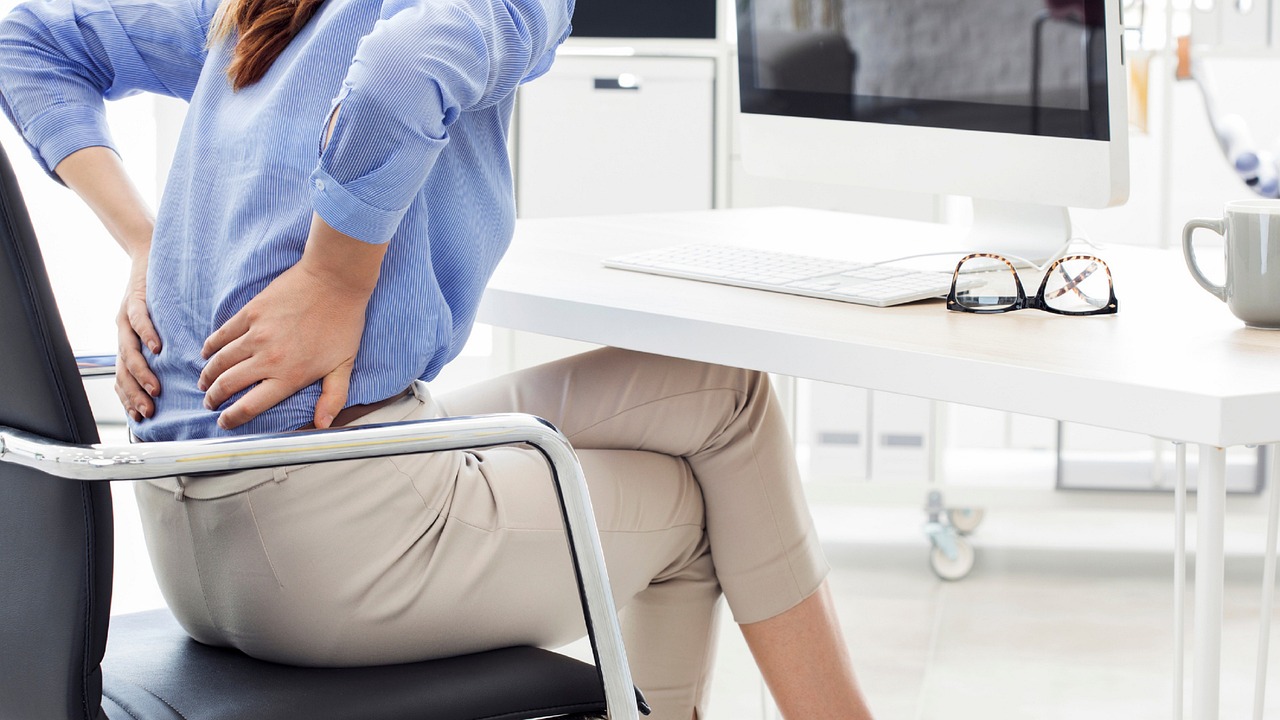
People spend the entire day in the chair and a fraction of it noticing anything else. A properly adjustable task chair is the single largest determinant of whether a room is comfortable to work in, and the difference between an adequate chair and a good one is felt daily.
If the budget is fixed, take it from the desk rather than the chair. A good chair at a plain desk works; the reverse does not.
Then monitor height
The top of the screen should sit at or just below eye level, which for most laptop users means a stand and a separate keyboard. This costs very little and removes the forward head posture that causes most neck complaints in small offices.
A monitor arm frees desk space and allows fine adjustment. A stack of books works too, and the difference in outcome is smaller than the difference in price.
Then light
Overhead fluorescent or a single ceiling fitting produces glare on screens and shadows on paper. A task lamp per desk, positioned to the side rather than behind the screen, fixes both. Around 500 lux at the desk surface is a reasonable target.
Natural light is better than any of it, and desks placed side-on to a window avoid both glare and silhouetting on video calls.
Desk depth over desk width
A desk needs enough depth to put a monitor at arm’s length – around 30 inches minimum, and 32 is better. Width is negotiable; depth is not, because a shallow desk forces the screen too close and there is no adjustment that fixes it.
Corner desks give depth at the corner and lose it along the wings. Measure where the monitor will actually sit.
Cable management is not cosmetic
Cables under a desk catch feet and chair castors, and a chair rolling over a power lead is a genuine hazard. A tray, a few clips and a short extension mounted under the desk solves it permanently and costs very little.
Do it during setup. Retrofitting cable management to an occupied desk never happens.
Acoustics in a small room
Hard walls, a hard floor and a low ceiling produce a room where every phone call is intelligible from every desk. A rug, some soft furnishing and anything absorbent on one wall changes the room noticeably.
This is usually the cheapest large improvement available in a converted small office and it is almost always skipped.
Storage that is not on the desk
A desk with things stored on it has less usable depth, which pushes the monitor closer. Vertical storage behind or beside the desk keeps the working surface clear and is the practical fix for a small room.
A single drawer unit per desk covers what most people actually need to reach.
Plan for standing, at least sometimes
A sit-stand desk is expensive per position. A cheaper approach in a small office is one shared standing station that anyone can use for an hour. It captures most of the benefit at a fraction of the cost.
Whatever the arrangement, the useful behaviour is changing position regularly rather than standing all day, which brings its own problems.
What to buy last
Decorative items, branded furniture and anything chosen from a photograph. They are the visible part of an office and they contribute the least to whether people can work in it comfortably for eight hours.
Seating, monitor height, light, desk depth, cables, acoustics. That order holds for almost every small office, and the first item on the list is the one worth specifying carefully.
Fitting out a small office, in priority order
- Adjustable task chair, specified to the user
- Monitor at or just below eye level, arm’s length away
- Separate keyboard and mouse for anyone using a laptop
- Task lamp per desk, positioned to the side
- Desk depth of at least 30 inches where the monitor sits
- Cable tray and clips fitted during setup
- Something absorbent on one wall or the floor
- Vertical storage so the desk surface stays clear
- One shared standing position rather than none