Mesh and upholstered backs are usually presented as a style choice. They behave differently over an eight-hour day, and the differences are practical rather than aesthetic.
Heat is the main functional difference
A padded back traps heat against the spine. In a warm office, or in a room that gets afternoon sun, that becomes noticeable by mid-afternoon. Mesh moves air continuously and is markedly cooler.
In a cold room the position reverses, and a padded back is more comfortable in winter. Most people find the warm-room problem more limiting.
Mesh distributes, padding concentrates
Tensioned mesh spreads load evenly across the whole contact area and flexes as you move. Foam compresses locally and, over time, compresses permanently where it is loaded most. That is why an old padded chair develops a hollow and a mesh chair does not.
It is also why a poor mesh chair is immediately uncomfortable – there is nothing to disguise a badly shaped frame – while a poor padded chair takes a year to reveal itself.
Frame edges on mesh chairs
The mesh is stretched over a frame, and the frame edge is what you feel if the chair is the wrong size. A hard front edge on the seat frame under the thighs is the most common complaint about cheap mesh seating.
Mesh backs with a padded or upholstered seat are a common and sensible compromise: airflow where the back is, cushioning where the weight is.
Durability, and how each fails
Mesh loses tension slowly and can tear at a mounting point if abused. Foam compresses and fabric wears at the front edge and the armrest tops. Both are usually outlasted by the mechanism, which is why mechanism warranty is the number to compare.
Mesh is easier to clean – a vacuum and a damp cloth. Upholstery holds dust and needs occasional deeper cleaning.
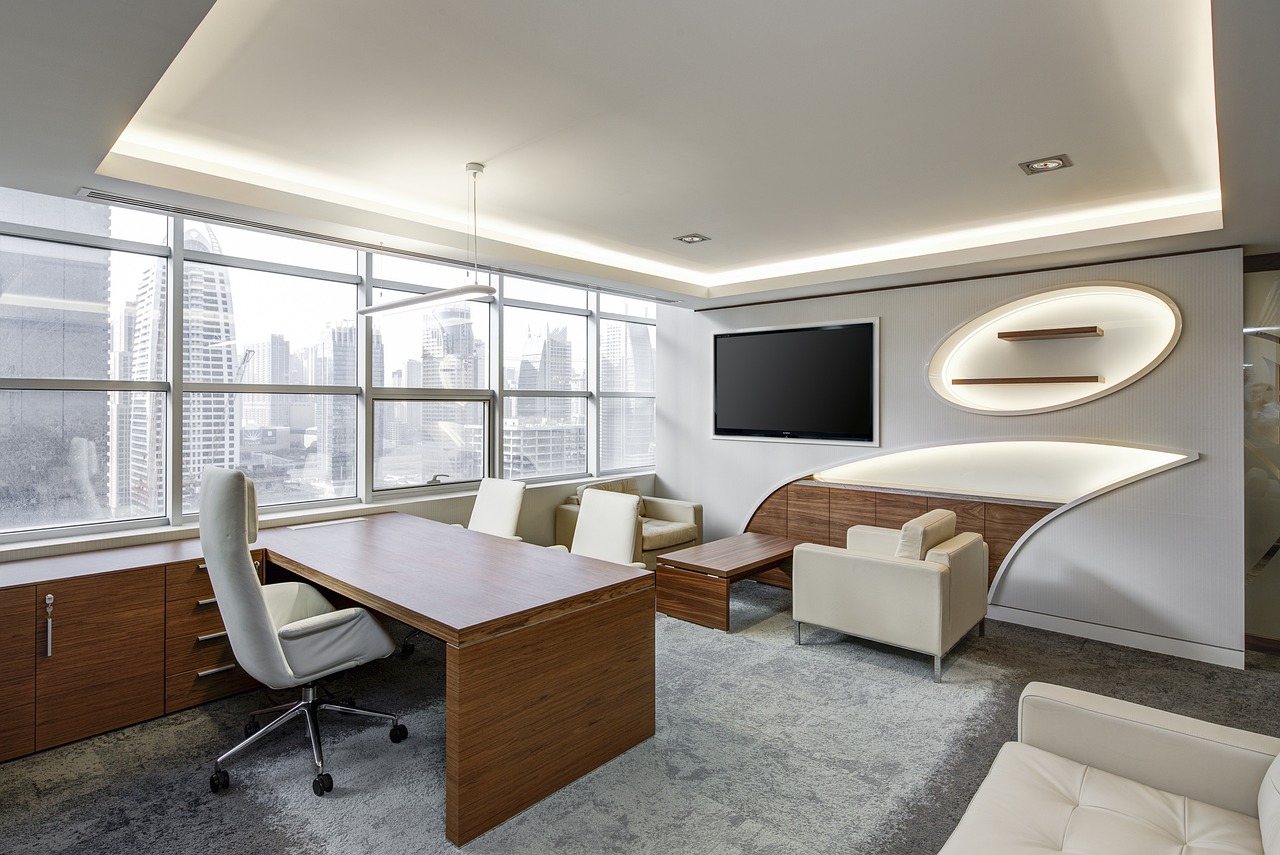
Executive chairs are a separate category
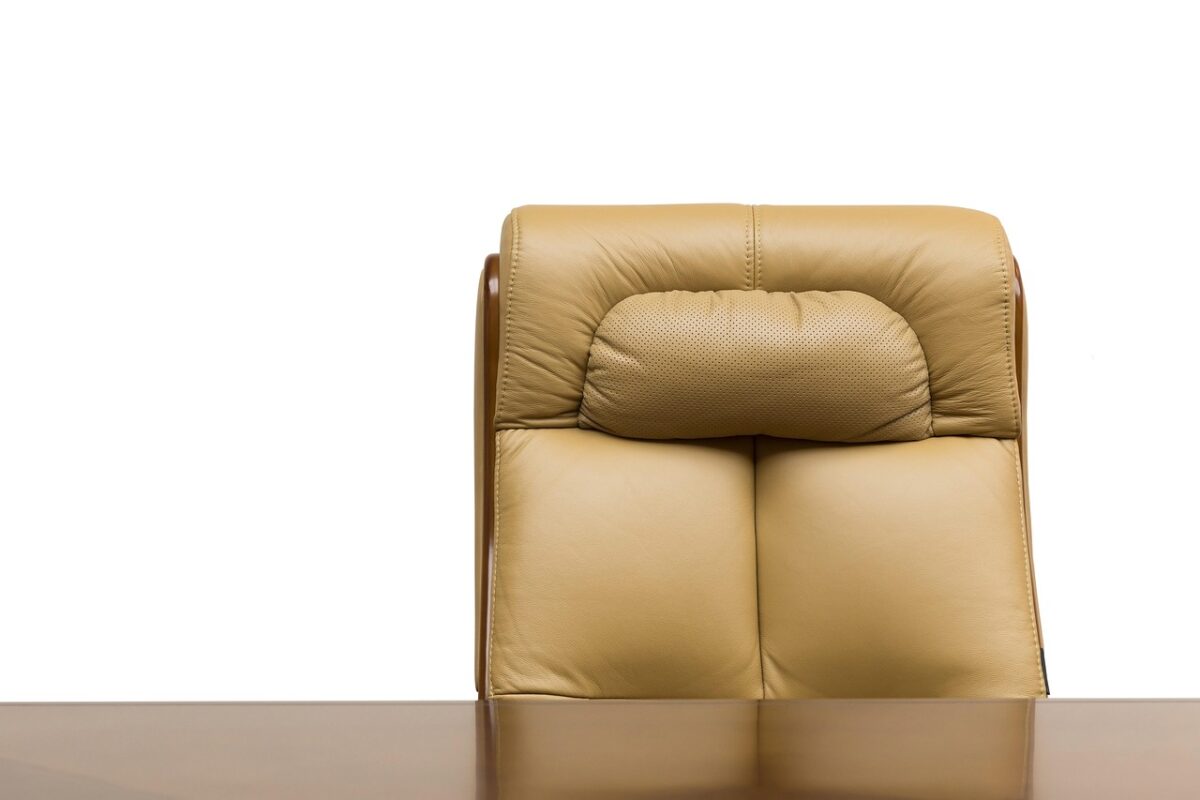
High-back padded executive chairs prioritise appearance and the feel of the first ten minutes. Many have fixed lumbar, limited seat depth adjustment and a simple tilt rather than a synchro mechanism.
For a role that is mostly meetings and short sessions, that is entirely appropriate. For eight hours of screen work, a task chair with full adjustment is the better tool even if it looks less imposing.
Headrests: useful when reclining
A headrest is only in contact when you lean back. Sitting upright at a keyboard, it does nothing, and a badly positioned one pushes the head forward. Adjustable-height, adjustable-angle headrests are worth having; fixed ones frequently are not.
If most of the day is upright work, a headrest is optional. If the chair is used for reading or calls with a recline, it is not.
Armrests, briefly
Height adjustment is the minimum useful specification. Width and depth adjustment – 3D or 4D armrests – let the arms sit where the keyboard is rather than where the chair assumes. Fixed armrests that do not fit under the desk are actively harmful, because they hold you away from it.
Removable armrests are worth checking for if the desk is low.
The noise question
Mesh chairs are usually quieter because there are fewer contact surfaces to creak. A creaking chair in a shared home office is a genuine daily irritation, and it usually comes from the mechanism rather than the back.
Chairs with steel mechanism housings creak less than those with plastic.
Trying before buying, honestly
A ten-minute sit tells you about the first ten minutes. What matters is the fourth hour, and no showroom reproduces it. The proxies that work are adjustment range, seat dimensions against your own measurements, and warranty length.
Those three are on the specification, and they are more reliable than an impression formed while standing next to a sales desk.
Mesh or padded: a quick decision guide
- Warm room or long sessions: mesh back
- Cold room or shorter sessions: padded back
- Best compromise: mesh back with an upholstered seat
- Check the front seat edge is padded or rolled, not a bare frame
- Synchro-tilt beats simple tilt for eight-hour use
- Headrest only if the chair is used reclined
- Armrests: height adjustment minimum, 3D or 4D preferred
- Confirm armrests clear your desk height
- Compare mechanism warranty rather than fabric warranty